When the Premium Outlives the Car's Value
You opened your renewal notice and noticed the same collision and comprehensive charges you carried when the car had a loan balance. The bank no longer requires full coverage. The car is twelve years old. Yet the premium stayed the same.
The question is not whether you can afford full coverage. The question is whether the coverage still protects more value than it consumes. For a paid-off vehicle of moderate age, the math shifts: collision pays a depreciating cash value minus your deductible, while the premium stays steady or climbs.
Compare rates from carriers that specialize in senior drivers
Mature driver discounts, low-mileage rates, and coverage reviews — see what you're actually eligible for.
Get Your Free QuoteOhio Bodily Injury Floor
$25,000
Ohio requires $25,000 per person in bodily injury liability, $50,000 per accident, and $25,000 property damage. These minimums protect others in an accident you cause; they do not repair your own vehicle.
Ohio Revised Code §4509
What Full Coverage Actually Pays on an Older Vehicle
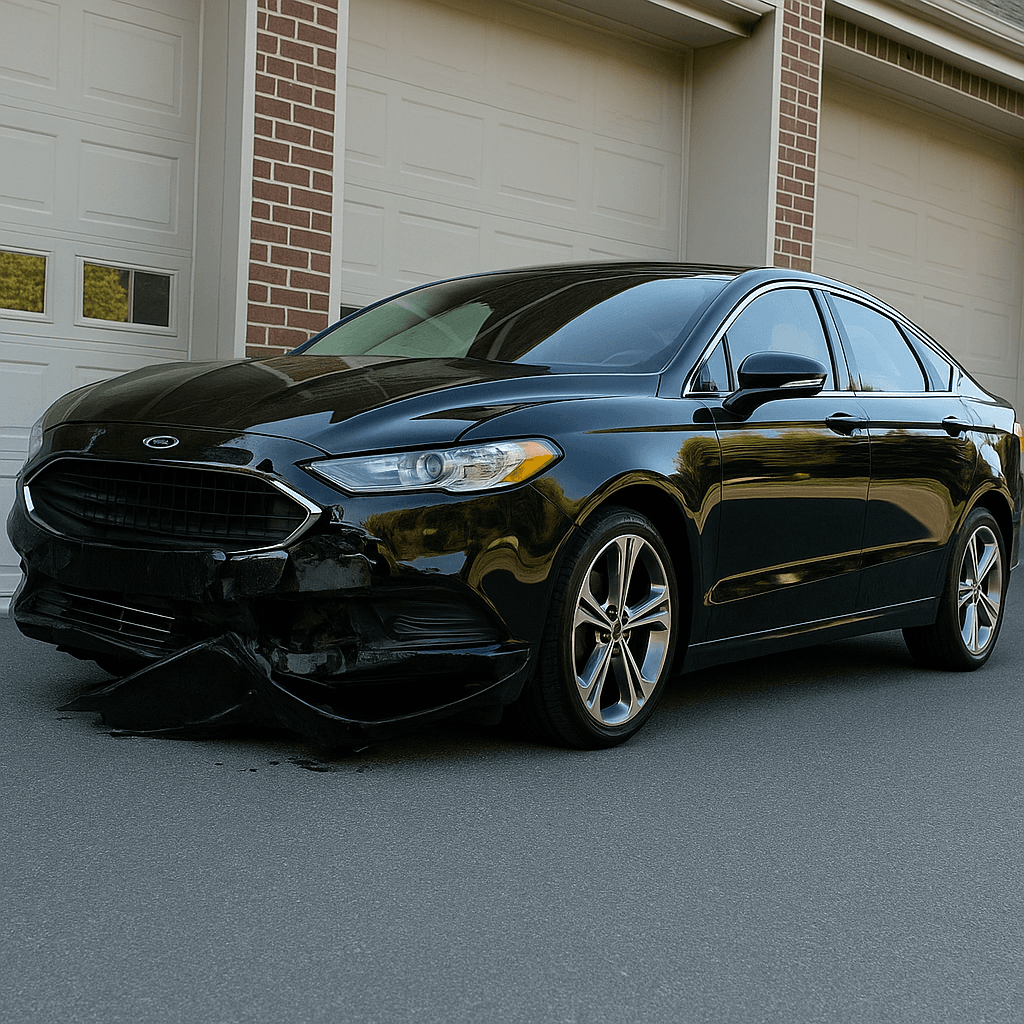
Collision coverage pays the actual cash value of your car at the time of the accident, minus your deductible. A 2012 sedan in good condition typically holds $4,000 to $6,000 in market value. If your deductible is $500 and the car totals, the carrier cuts a check for perhaps $5,500.
Comprehensive covers theft, vandalism, hail, and animal strikes under the same cash-value-minus-deductible formula. Both coverages depreciate alongside the car. The premium does not.
Most retirees already carry Medicare Part A and Part B, which cover hospital and medical bills after an accident regardless of fault. Medical payments coverage and PIP overlap with Medicare in most injury scenarios. The gap full coverage fills narrows to vehicle replacement only.
If your annual collision and comprehensive premium exceeds 10% of the car's current value, you are paying more to protect the asset than the asset can return.
The Two-Year Premium Test
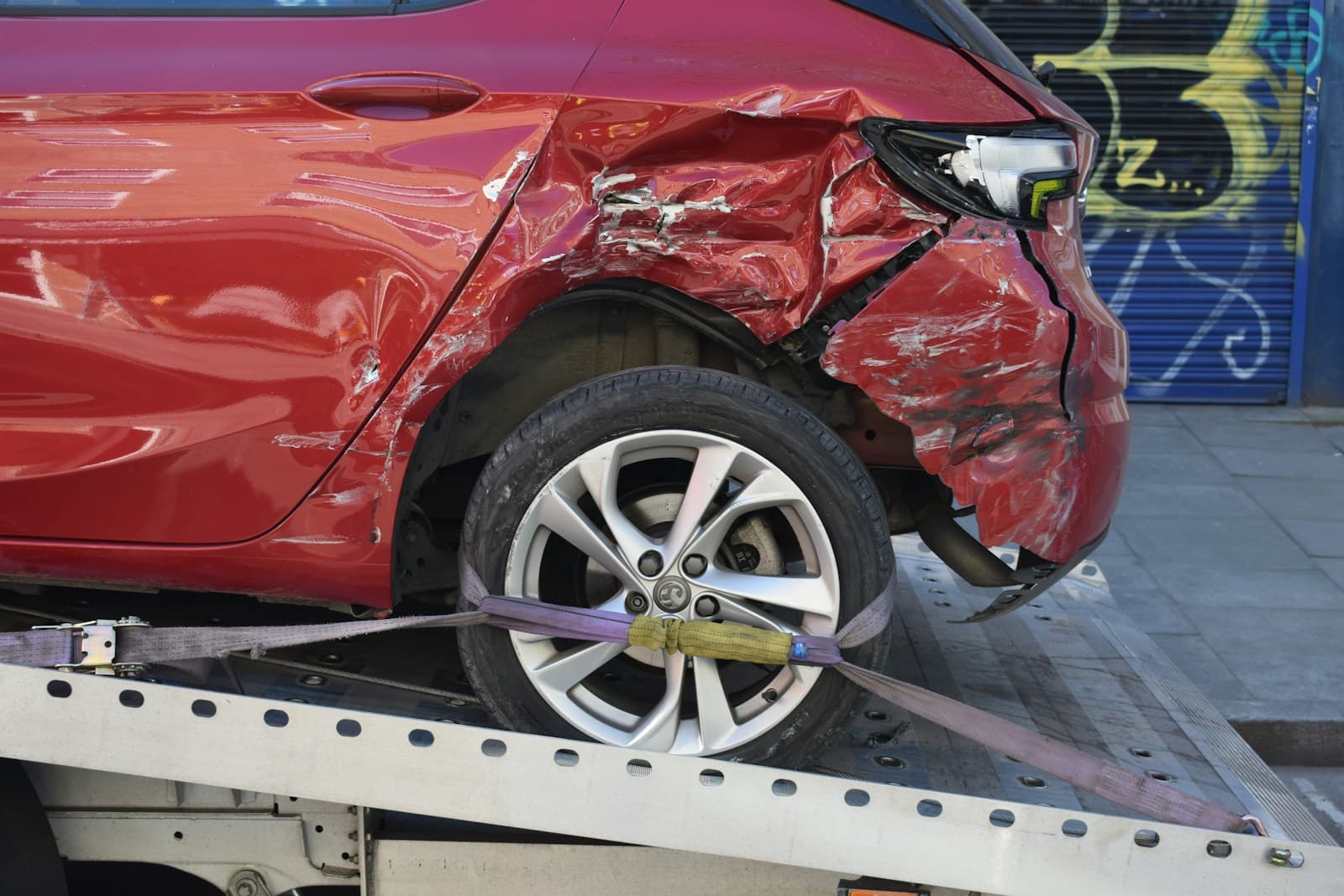
Add two years of collision and comprehensive premiums together. Compare that sum to the car's current cash value minus your deductible. If the two-year premium total meets or exceeds the net payout you would receive in a total loss, the coverage costs more than it protects. Many Parma retirees driving paid-off vehicles find the crossover happens around year ten of ownership.
The decision shifts if you cannot replace the car from savings. A $5,000 vehicle replaced from a fixed budget creates real hardship even when the premium math says drop coverage. If replacing the car out-of-pocket would strain your finances, keeping collision may still be the right call despite the cost. The test exposes the trade-off; your cash position determines the answer.
Related Articles



Liability Limits Matter More Than Collision Once the Car Is Paid Off
Retirees often carry retirement assets: a paid-off home, savings accounts, investment portfolios. Ohio is an at-fault state. If you cause an accident that injures another driver, the injured party can sue for damages beyond your liability limit. Your assets become exposed.
Ohio's $25,000 per person minimum stops far short of covering a serious injury. A broken femur, surgery, and lost wages can exceed $100,000. If your liability limit is $25,000 and the claim is $150,000, the plaintiff can pursue your home and accounts for the $125,000 gap.
Raising liability limits from the state minimum to $100,000 per person and $300,000 per accident costs far less than collision on an older car. That additional premium protects decades of accumulated assets. Dropping collision and raising liability redirects the same budget toward the coverage that shields what you actually own.
Some Parma retirees find their collision premium alone would cover a liability increase to $250,000 per person. The trade makes financial sense: protect the home equity, not the depreciated sedan.
Carriers Writing in Ohio
25
Twenty-five carriers write auto insurance in Ohio, including Erie, Nationwide, and Progressive. Compare how each prices liability-only versus full coverage for a paid-off vehicle and a clean senior record.
NAIC state filings
How Medicare Changes the Medical-Payments Calculation
Medical payments coverage and personal injury protection pay your own medical bills after an accident regardless of fault. Medicare Part A and Part B already cover hospital and doctor visits. The overlap means med pay often duplicates coverage you already hold.
Medicare does not cover your passenger's injuries if you cause the accident. If you frequently drive grandchildren, neighbors, or a spouse not on Medicare, med pay fills that gap. If you drive alone or only with another Medicare-covered adult, the value shrinks further.
Compare Liability-Only Quotes Before You Drop Coverage
Request quotes for liability-only coverage at higher limits alongside your current full-coverage renewal. Ask each carrier for $100,000 per person and $300,000 per accident minimums. Compare the liability-only premium to what you pay now for collision, comprehensive, and the state minimum.
Some carriers penalize low-coverage customers or price liability-only policies higher than expected. Others specialize in senior drivers with paid-off vehicles and clean records. Progressive, Erie, and Nationwide all write in Ohio and offer mature-driver discounts; compare how each structures liability-only pricing for your profile. The gap between carriers can exceed $40 monthly on identical coverage.
Ohio requires insurers to offer a mature-driver discount tied to completion of a state-approved defensive driving course. The amount is set by each carrier's filed rates, not fixed by statute. Ask what each carrier's mature-driver discount percentage is and whether it applies to liability-only policies. Some apply the discount only to collision; others apply it across all coverages. That distinction changes the comparison math.
Request Quotes With Higher Liability Limits and No Collision
Contact three carriers writing in Ohio and request liability-only quotes at $100,000/$300,000 minimums. Provide your current vehicle, your driving record, and your age. Ask each carrier what mature-driver discount applies if you complete an approved course, and whether that discount extends to liability coverage.
Compare the liability-only quote to your current full-coverage renewal. If the liability-only premium is lower and the car's value has fallen below twice your annual collision cost, dropping collision redirects premium dollars toward protecting your actual assets. Run the two-year test one more time before you cancel, and keep the liability limits high.