
When the Loan Clears and the Premium Doesn't
You paid off the vehicle loan last year. The title arrived, the monthly payment stopped, and you expected the insurance bill to drop. It didn't. Your carrier still charges for collision and comprehensive because you never called to remove them, and the renewal notice lists the same coverage you carried when the bank required it. You drive the vehicle perhaps 4,000 miles annually now that the commute is gone, and you're questioning whether full coverage still makes sense.
The decision isn't whether you can drop coverage because the loan is paid. The decision is whether the coverage premium justifies the replacement value you're protecting and the asset exposure you carry if you cause an accident. Loan status triggers the choice; replacement economics and liability exposure determine the answer.
Compare rates from carriers that specialize in senior drivers
Mature driver discounts, low-mileage rates, and coverage reviews — see what you're actually eligible for.
Get Your Free QuoteOhio Bodily Injury Minimum Per Person
$25,000
Ohio requires $25,000 bodily injury per person, $50,000 per accident, and $25,000 property damage. These minimums protect the other party, not your vehicle. Collision and comprehensive protect your asset; liability protects theirs. The two are separate coverage questions.
Ohio Revised Code § 4509.51
What Full Coverage Actually Covers on a Paid-Off Vehicle
Full coverage is shorthand for a liability policy plus collision and comprehensive. Liability pays the other party when you cause an accident. Collision pays to repair or replace your vehicle after an accident you cause or when the other driver is uninsured. Comprehensive pays for theft, vandalism, hail, flood, and animal strikes. Medical payments or PIP, if carried, pays your medical bills regardless of fault, separate from Medicare.
When the loan existed, the lender required collision and comprehensive to protect their collateral. Now that the title is yours, the requirement disappears, but the risk doesn't. If you total the vehicle in an at-fault accident, collision pays the actual cash value minus your deductible. If someone steals it or a deer strikes it, comprehensive pays the same. The question is whether six months of collision and comprehensive premiums exceed the net payout you'd receive after the deductible, adjusted for the likelihood you'll file a claim in that window.
If your vehicle's market value minus the deductible is less than one year's collision and comprehensive premium, the math favors dropping both and self-insuring the loss.
The Replacement-Cost Decision Framework
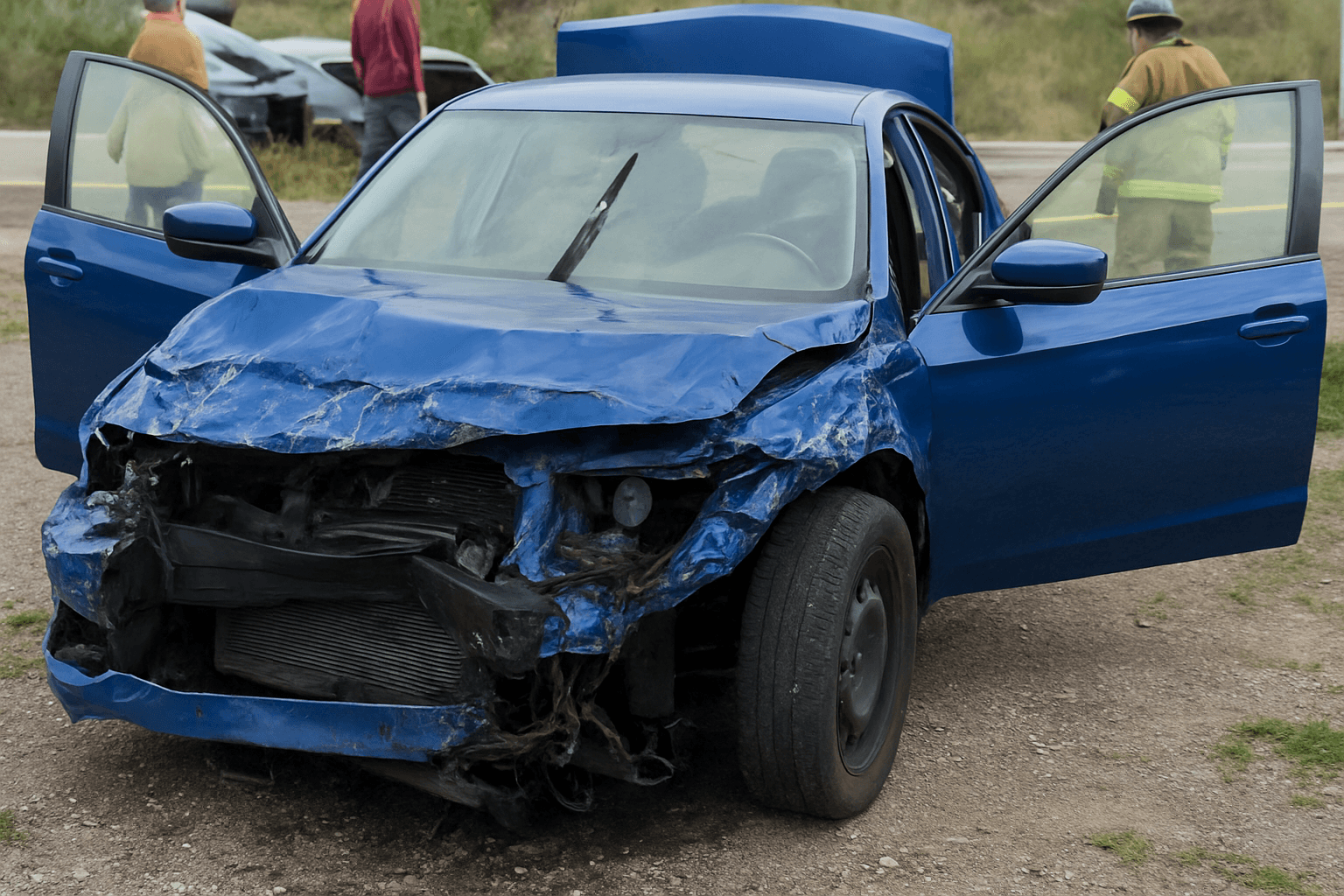
Check your vehicle's current market value using a recognized valuation tool or recent comparable sales in the Youngstown area. Subtract your collision deductible — typically $500 or $1,000 — to find the net payout you'd receive if you totaled the vehicle tomorrow. Compare that net figure against one year's collision and comprehensive premium combined. If the premium exceeds 10 percent of the net payout, the coverage is expensive relative to the risk. If it exceeds 20 percent, the math strongly favors dropping it and reserving the premium dollars toward a replacement vehicle fund.
Consider your household's capacity to absorb the loss. If losing the vehicle would force an immediate financed replacement, collision and comprehensive provide liquidity you may not have in cash reserves. If you could replace the vehicle from savings or defer the purchase until a planned timeframe, the coverage may cost more than the peace of mind it buys. The paid-off status doesn't determine the answer; your asset position and loss tolerance do.
Related Articles





Ohio's Mature-Driver Discount and What It Doesn't Touch
Ohio requires insurers to offer a mature-driver discount for operators 60 and older who complete a state-approved accident-prevention course. The discount applies to liability, collision, and comprehensive premiums, but the statute does not fix the percentage — each carrier sets its own rate reduction. Completing the course may lower your full-coverage premium enough to shift the math, but the discount will not make an expensive collision premium cheap if the vehicle's value has depreciated significantly.
The course completion must be submitted to your carrier, and many do not automatically apply the discount at renewal unless you provide the certificate. Approved course providers are listed on the Ohio Department of Insurance website. The discount typically lasts three years from course completion, and re-enrollment is required to maintain it. If your collision and comprehensive premiums remain high even after the mature-driver discount, the coverage structure itself — not the discount — is the issue.
Carriers Writing in Ohio
25
Twenty-five carriers write auto insurance in Ohio, including standard-tier, preferred-tier, and non-standard options. Not all offer competitive rates for retirees with paid-off vehicles and low annual mileage. Comparing quotes from carriers that emphasize low-mileage and mature-driver programs surfaces the discount and coverage structure that fits your profile.
NAIC carrier license data
Medicare Coordination and Medical-Payments Coverage
Medical-payments coverage and PIP are distinct from Medicare. Medicare is primary for your medical bills in most accident scenarios, but it does not cover passengers in your vehicle, and it may not cover all accident-related expenses immediately. Medical payments coverage on your auto policy can act as secondary coverage for gaps Medicare doesn't pay, and it covers passengers regardless of fault. Some retirees drop med-pay assuming Medicare handles everything; others keep a small limit — $1,000 to $5,000 — for passenger protection and Medicare supplement scenarios.
The Path Forward for Youngstown Retirees
Pull your most recent renewal notice and identify the annual premium for collision and comprehensive combined. Look up your vehicle's actual cash value using a current valuation tool, subtract your deductible, and compare the two figures. If the premium is 15 percent or more of the net payout, request quotes from at least three carriers writing in Ohio that emphasize mature-driver and low-mileage discounts. Provide your current mileage, your clean driving record, and your vehicle's paid-off status. Ask each carrier what their mature-driver discount percentage is and whether they offer a low-mileage or pay-per-mile program.
If the quotes show collision and comprehensive premiums remain high relative to the vehicle's value across all carriers, the structure is telling you the coverage no longer justifies its cost. Drop collision and comprehensive, increase your liability limits to $100,000 per person and $300,000 per accident to protect your retirement assets in an at-fault scenario, and bank the premium difference toward a replacement fund. If a quote shows a materially lower premium and you want the liquidity collision provides, switch carriers and keep the coverage. The decision is financial, not emotional, and the math gives you the answer.
Next Step: Compare Carriers That Compete for Your Profile
Request quotes from carriers writing in Ohio that serve retirees with paid-off vehicles and low annual mileage. Provide your exact annual mileage, confirmation that the vehicle is paid off, and your age and course-completion status if applicable. Ask what their mature-driver discount is and whether they offer usage-based or low-mileage programs. Compare the combined collision and comprehensive premium against your vehicle's net value after deductible. The carrier whose structure fits your profile will show you the math that makes the decision clear.