The Lender Is Gone but the Premium Stayed
You made the final payment three years ago. The lien release arrived, the title sits in your filing cabinet, and the policy renewed six times since then at roughly the same premium. No one from the carrier called to ask whether you still wanted collision and comprehensive now that the bank no longer requires them. The coverage continued because you never told them to stop it, and most agents won't bring it up unless you do.
This puts every retiree with a paid-off vehicle in the same position: the coverage that was mandatory when you financed is now a choice, and the choice is yours to make every renewal. The question isn't whether the car has value. It's whether collision and comprehensive coverage deliver enough benefit to justify their share of the annual premium when you're driving 6,000 miles a year and the vehicle is a decade old.
Compare rates from carriers that specialize in senior drivers
Mature driver discounts, low-mileage rates, and coverage reviews — see what you're actually eligible for.
Get Your Free QuoteOhio Property Damage Minimum
$25,000
Ohio Revised Code requires $25,000 property damage liability per accident. That limit pays for damage your vehicle causes to someone else's car or property, not damage to your own vehicle. Collision and comprehensive are the coverages that pay for your car, and they become optional the moment the lender releases the lien.
Ohio Rev. Code §4509.51
What Full Coverage Actually Pays For
Full coverage is shorthand for a liability-plus-physical-damage policy: liability meets Ohio's minimums, collision pays for crash damage to your vehicle regardless of fault, and comprehensive pays for theft, vandalism, weather damage, and animal strikes. When the car was financed, the lender required collision and comprehensive to protect their interest in the collateral. Once you own it outright, those coverages protect only your equity in the vehicle.
Liability coverage remains required by state law whether the car is paid off or not. Bodily injury liability pays medical costs and lost wages when you injure someone in an at-fault accident; property damage liability pays repair costs when you damage someone else's vehicle or property. Dropping collision and comprehensive leaves liability intact. You keep legal compliance, but damage to your own car becomes your problem to fund out of pocket.
The decision hinges on replacement cost versus premium cost. If the vehicle's current market value is low enough that you could replace it from savings without financial strain, and the annual collision and comprehensive premium represents a meaningful share of that value, the coverage may be buying risk transfer you no longer need.
Most retirees discover the payoff didn't change their premium because no one at the carrier tracks lien-release dates or prompts the coverage conversation unless you ask first.
How to Judge Whether the Coverage Still Fits
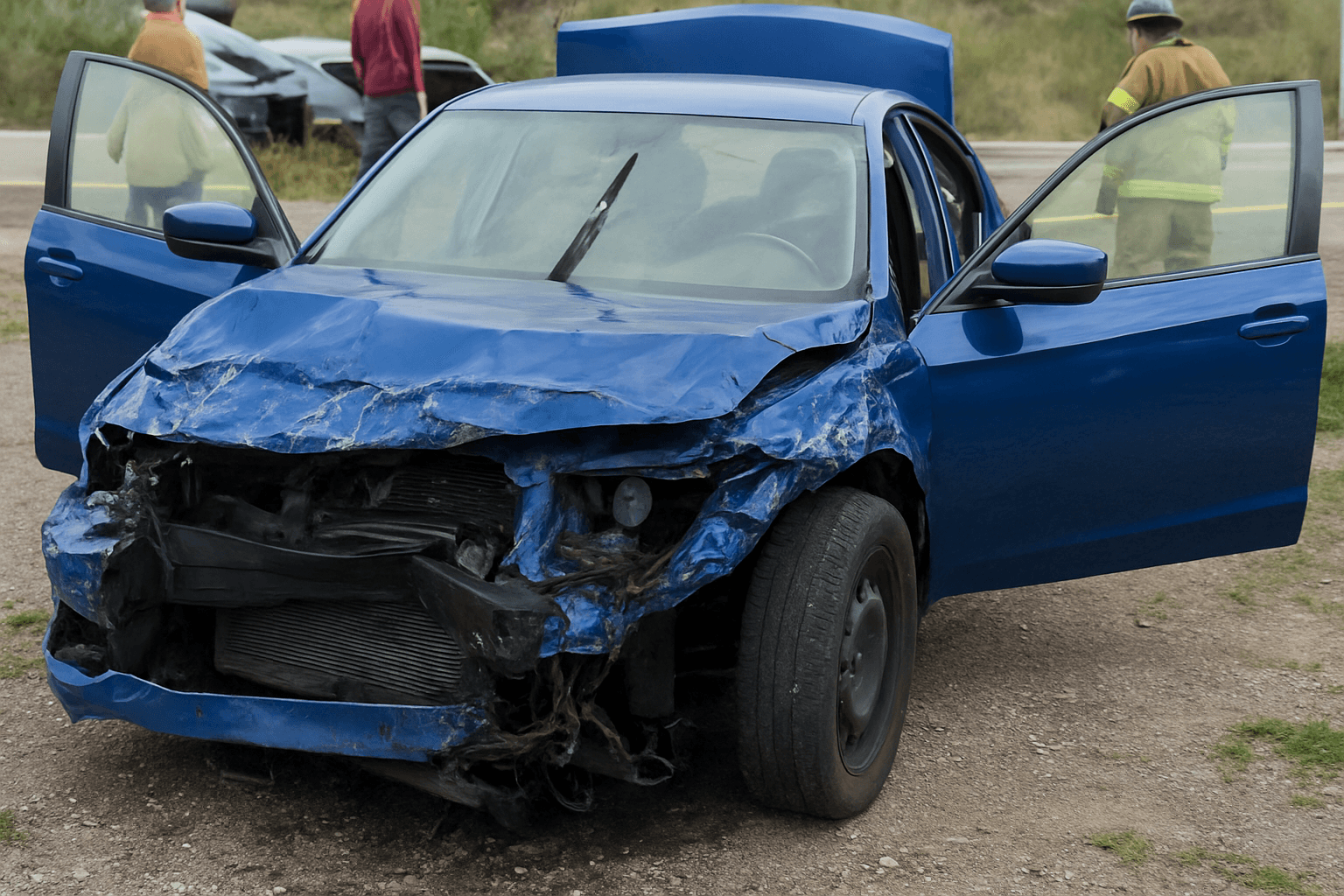
First, determine the vehicle's current market value. Use NADA, Kelley Blue Book, or recent sale prices for the same year, make, model, and mileage in your area. This is the maximum amount collision or comprehensive would pay after a total loss, minus your deductible. If the vehicle is worth $4,000 and you carry a $500 deductible, the most you could recover is $3,500.
Second, isolate the annual cost of collision and comprehensive on your current policy. Most carriers break this out on the declarations page. If the combined annual premium for both coverages is $600 and the vehicle is worth $4,000, you're paying 15 percent of the car's value each year to insure it. A conventional threshold many retirees use: when the annual physical-damage premium exceeds 10 to 15 percent of the vehicle's value, the coverage may cost more than the protection is worth.
Related Articles


What Happens When You Drop Collision and Comprehensive
The liability portion of your policy continues without interruption. You remain legal to drive in Ohio, your proof of insurance is still valid, and your continuous-coverage history stays intact. The only change is that damage to your own vehicle from a crash, theft, or weather event becomes your financial responsibility.
If you cause an accident, your liability coverage still pays for the other driver's vehicle and injuries up to your policy limits. What it won't pay for is your own car's repair bill. If another driver causes the accident and carries liability insurance, their property damage coverage pays for your vehicle's damage. If they don't carry insurance or flee the scene, uninsured motorist property damage coverage can pay for your car in some states, but Ohio does not require it and many policies don't include it.
Before dropping the coverage, confirm your policy includes uninsured motorist bodily injury coverage. It's not required in Ohio, but most carriers offer it and many retirees carry it. This coverage pays your medical bills if an uninsured driver injures you. It does not pay for vehicle damage, but it closes the bodily-injury gap that liability alone won't cover when the at-fault driver has no insurance.
Carriers Writing in Ohio
25
At least 25 carriers write auto policies for Ohio drivers, and mature-driver discount availability, low-mileage programs, and willingness to write liability-only policies for older vehicles vary widely. Comparing carriers on coverage structure rather than premium alone often surfaces better-fit options for retirees managing paid-off vehicles.
Ohio Department of Insurance licensure data
Adjusting Deductibles as an Intermediate Step
Dropping collision and comprehensive is the final step. If you're not ready to take full financial responsibility for vehicle damage but the premium feels too high, raising your deductibles lowers the cost without eliminating the coverage. Moving from a $500 deductible to $1,000 typically reduces the collision and comprehensive premium by 15 to 25 percent, depending on carrier and vehicle.
This works best when you have enough savings set aside to cover the higher deductible if a claim occurs. A $1,000 deductible on a vehicle worth $5,000 means you're self-insuring the first $1,000 of any loss and letting the carrier handle anything beyond that. The premium savings accumulate every year you don't file a claim, and the deductible becomes a one-time cost only if damage actually occurs.
Medical Payments Coverage and Medicare Coordination
Medical payments coverage, often called med pay, is a separate optional coverage that pays medical bills for you and your passengers after an accident, regardless of fault. It's not part of collision or comprehensive, and dropping those coverages doesn't affect it. Many retirees question whether med pay duplicates Medicare, and the answer depends on timing and coverage gaps.
Medicare is primary for most medical costs once you're enrolled, but it doesn't cover everything immediately. Med pay can cover ambulance transport, emergency room co-pays, and initial treatment costs before Medicare processes the claim. It also covers passengers in your vehicle who may not have Medicare. The annual cost is typically low, and keeping it in place alongside Medicare provides a secondary layer that closes the gap between the accident and Medicare reimbursement.
Compare Carriers Before You Drop Coverage
Ohio law requires insurers to offer a mature-driver discount to operators 60 and older who complete a state-approved accident prevention course. Ohio Revised Code §3937.43 mandates the discount, but the statute does not fix the percentage; each carrier sets the amount in their filed rating plans. Some apply the discount automatically at age 60, others require course completion, and the size of the reduction varies. Before dropping collision and comprehensive to lower your bill, confirm you're receiving every discount your current carrier offers and compare how other carriers in Ohio structure their senior programs.
Ask each carrier how they handle low-mileage drivers. Some offer usage-based programs that reduce the premium when annual mileage drops below a threshold; others offer a flat low-mileage discount without telematics. Retirees who no longer commute often qualify, and the savings can make keeping collision and comprehensive more affordable than the payoff-era premium suggested. Get quotes with full coverage at varying deductible levels and liability-only to see the cost difference in your specific situation, then make the call based on your vehicle's value and your financial comfort with self-insuring the risk.